
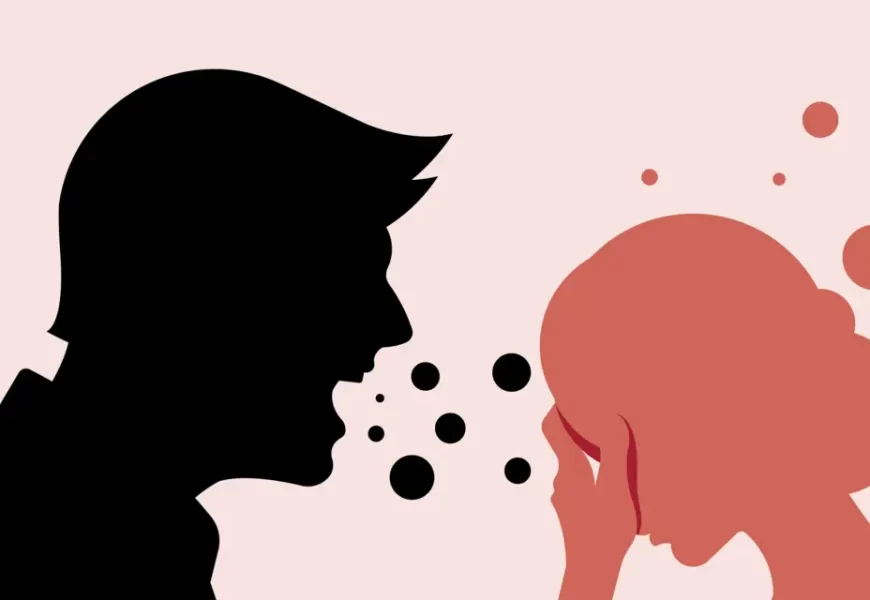
Being in a relationship should feel like a source of joy, support, and growth. However, when you’re in the wrong relationship, it can lead to emotional distress, confusion, and unhappiness. If you’re unsure whether your relationship is right for you, recognizing the signs and emotions associated with being in the wrong relationship is a good first step. In this article, we’ll explore the feelings and experiences people commonly face when they find themselves in a toxic or unfulfilling relationship.
1. Constant Anxiety and Stress
One of the most noticeable signs you’re in the wrong relationship is constant anxiety and stress. Instead of feeling relaxed and comfortable with your partner, you might feel tense, worried, or on edge. Whether it’s because of their unpredictable behavior or constant arguments, this anxiety can be a clear indicator that something is off in your relationship.
2. Feeling Drained or Exhausted
Healthy relationships should provide you with energy and support. However, if you find yourself feeling emotionally, physically, or mentally drained after spending time with your partner, it could mean that the relationship is taking more from you than it’s giving. Feeling constantly exhausted can be a sign that you’re in a toxic dynamic that’s not fulfilling your needs.
3. Lack of Trust
Trust is the foundation of any strong relationship. If you’re constantly questioning your partner’s actions, or if you feel the need to check their messages, social media, or whereabouts, it’s a sign of a lack of trust. Trust issues often lead to insecurity and emotional distance, which can be signs that the relationship is not built on mutual respect and understanding.
4. Feeling Like You’ve Lost Yourself
In a healthy relationship, both partners should have the space to grow individually. However, if you feel like you’ve lost your identity or that you’ve changed into someone you don’t recognize, it’s a serious red flag. Being constantly influenced by your partner’s opinions, values, or needs can make you lose sight of your own aspirations and desires.
5. Constant Doubts and Insecurities
Do you often doubt your worth in the relationship? Do you question whether your partner truly loves or appreciates you? Constant feelings of insecurity or doubt can signal that the relationship is not healthy. These emotions may arise from a lack of support or respect, which are essential for a balanced and nurturing relationship.
6. You Feel Unappreciated
In a positive relationship, both partners should express appreciation for each other. If you feel like your efforts go unnoticed, or if your partner takes you for granted, it can create feelings of resentment and frustration. Feeling unappreciated over time can lead to emotional withdrawal and dissatisfaction with the relationship.
7. Emotional or Physical Abuse
Any form of emotional or physical abuse, whether subtle or overt, is a major sign that you’re in the wrong relationship. Manipulation, humiliation, controlling behavior, or physical violence are never acceptable and should not be tolerated. If you’re in an abusive relationship, it’s crucial to seek help and leave the situation for your own well-being.
8. You Avoid Communication
Communication is key to resolving conflicts and maintaining a healthy relationship. If you find yourself avoiding difficult conversations, shutting down emotionally, or feeling like your voice doesn’t matter, it’s a sign that the relationship is not functioning as it should. Healthy relationships foster open and honest communication, and without it, misunderstandings and resentment can build.
9. You’ve Stopped Making Future Plans Together
In a committed relationship, you and your partner should have a shared vision of the future. If you’ve stopped making plans together or find that you’re envisioning your future without them, it could indicate that the relationship is no longer aligned with your goals or values.
10. You Feel Alone Even When You’re Together
One of the most painful signs that you’re in the wrong relationship is the feeling of loneliness, even when your partner is physically present. If you feel emotionally disconnected, neglected, or ignored, it can create a deep sense of isolation. Relationships should bring people closer, not drive them apart.
11. You Feel Like You’re Walking on Eggshells
If you feel like you have to tiptoe around your partner or constantly watch what you say to avoid triggering anger or frustration, it’s a sign of an unhealthy dynamic. Walking on eggshells creates tension and makes communication difficult. This feeling often arises from controlling or emotionally unstable behavior in your partner.
12. The Relationship Feels Like a Burden
Instead of feeling like you’re in a partnership that brings mutual joy, you might start viewing the relationship as a burden. If you’re constantly trying to keep things together and feeling like you’re the only one putting in effort, it can lead to feelings of resentment and emotional exhaustion. Relationships should feel like a shared responsibility, not a one-sided obligation.
13. You’re Constantly Making Excuses for Their Behavior
If you find yourself repeatedly making excuses for your partner’s toxic or hurtful behavior, it might be a sign that you’re ignoring serious issues in the relationship. You may rationalize their actions by saying things like, “They didn’t mean it,” or “They’re going through a tough time,” but deep down, you know it’s affecting you negatively.
14. You Feel Stuck and Unmotivated
A relationship that is not right for you can create feelings of stagnation. If you find yourself feeling stuck, unmotivated, or uninterested in pursuing your passions and goals because of your partner, it’s time to evaluate whether this relationship is hindering your personal growth.
Conclusion: Trust Your Intuition
If you’ve experienced any of these feelings in your relationship, it’s essential to trust your intuition. Healthy relationships should support your personal growth, provide comfort, and bring you joy. If you find that your relationship is causing you distress, anxiety, or sadness, it may be time to reassess whether it’s the right one for you.
Taking the necessary steps to recognize and address toxic patterns can be difficult, but it’s important to prioritize your mental and emotional well-being. Surround yourself with people who lift you up, communicate openly, and respect your needs. Whether you decide to work through the challenges with your partner or part ways, the goal should always be to create a positive, fulfilling life for yourself.


