

Cheese is flavorful but often loaded with sodium and saturated fats, which can raise blood pressure and harm heart health. Eating too much can also contribute to weight gain and higher cholesterol levels. Nutritionists suggest opting for small portions of low-sodium cheese or using nutritional yeast for a cheesy taste without the extra salt. This way, you can still enjoy the flavor while keeping your health—and blood pressure—in check. Your doctor will thank you later!

Restaurant and takeout food may be convenient, but it’s often loaded with sodium, unhealthy fats, hidden sugars, and additives, all of which can raise blood pressure and harm your health. Cooking at home gives you control over ingredients, allowing for healthier, low-sodium choices. Nutritionists recommend recreating your favorite restaurant meals with better-for-you alternatives. Not only are homemade dishes healthier, but they’re also easier on your wallet!

Processed and packaged foods may be convenient, but they’re typically high in sodium and harmful additives that can raise blood pressure and impact overall health. Many also contain artificial flavors and preservatives that may disrupt digestion. Nutritionists recommend opting for fresh, whole foods instead. Fruits and vegetables make excellent, sodium-free snacks—and choosing fresh over packaged can also save you money in the long run.

Salt and salty snacks should be avoided by anyone managing high blood pressure. Too much sodium causes water retention, increasing pressure on blood vessels and raising blood pressure. High salt consumption also elevates the risk of heart disease and stroke. Nutritionists suggest swapping these snacks for healthier options like unsalted nuts or air-popped popcorn, offering a satisfying crunch without the added sodium.
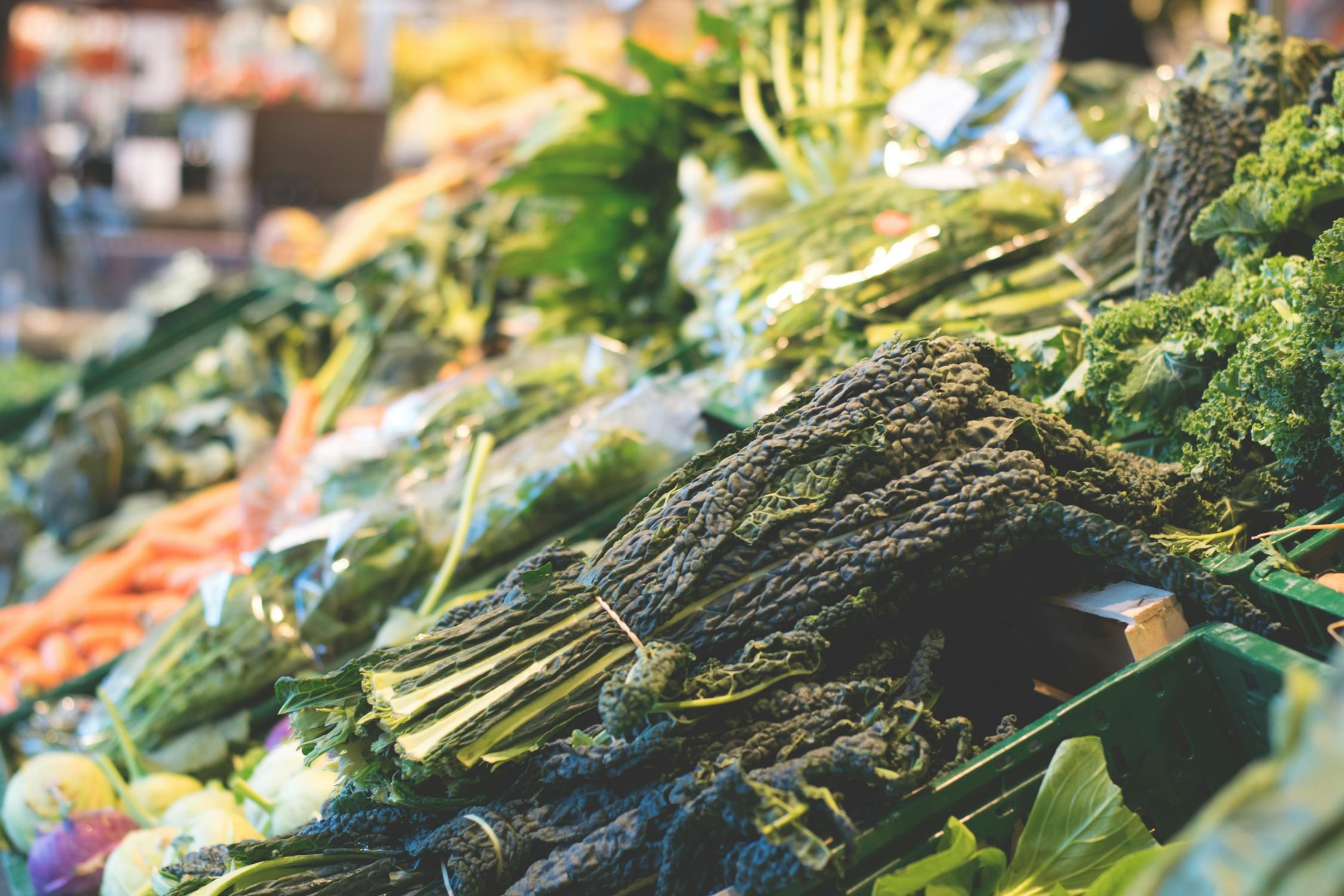
Leafy greens such as spinach, kale, and Swiss chard are excellent for lowering blood pressure, thanks to their high potassium content, which helps flush excess sodium from the body. They’re also loaded with vitamins, minerals, and antioxidants that promote overall health. Doctors and nutritionists recommend adding these nutrient-rich greens to your diet regularly. Enjoy them in salads, blend them into smoothies, or sauté them as a tasty side dish for a heart-healthy meal.


