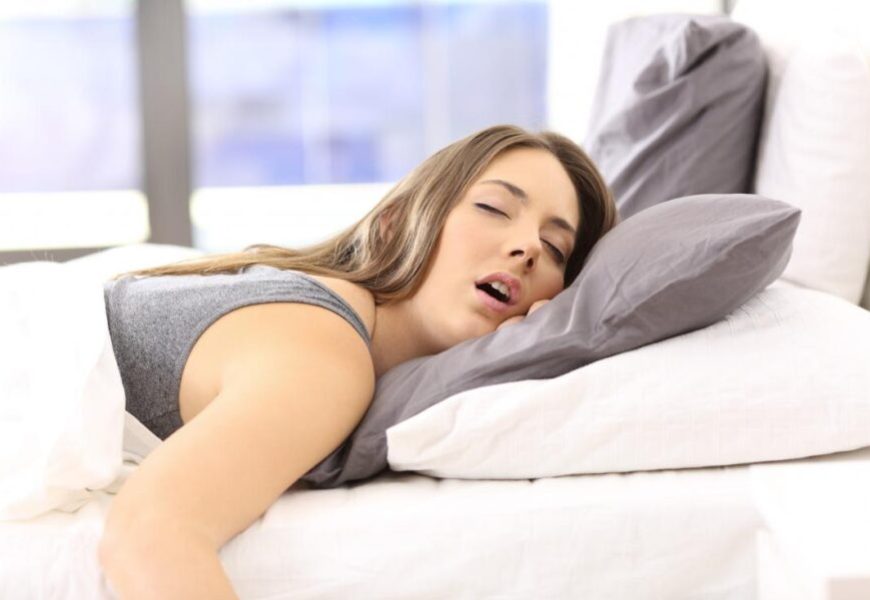
Waking up with a wet pillow from drooling might seem like a harmless or even humorous part of sleep, but did you know that frequent drooling during sleep could actually be a sign of underlying health issues? While occasional drooling is common and usually not a cause for concern, excessive or regular drooling while sleeping may indicate that your body is trying to tell you something more serious. In this article, we’ll explore what causes drooling during sleep and the medical conditions it may be linked to.
What Is Drooling in Sleep?
Drooling, or sialorrhea, is the unintentional flow of saliva outside the mouth. It usually happens when the muscles around your mouth are fully relaxed during deep sleep. However, if it happens often or excessively, it might be more than just a deep sleep symptom.
1. Sleep Apnea
Obstructive Sleep Apnea (OSA) is a serious sleep disorder where breathing repeatedly stops and starts during sleep. People with sleep apnea often sleep with their mouths open to compensate for blocked airways, which can lead to drooling. Other signs include loud snoring, gasping for air during sleep, and waking up feeling tired despite a full night’s sleep.
Why it matters:
Sleep apnea can lead to high blood pressure, heart disease, diabetes, and other chronic conditions if left untreated. If drooling is accompanied by poor sleep quality, daytime fatigue, or headaches, consult a sleep specialist.
2. Acid Reflux or GERD
Gastroesophageal Reflux Disease (GERD) can also cause drooling. When stomach acid flows back into the esophagus, it can stimulate the salivary glands to produce excess saliva. This is your body’s natural defense against acid—but it can cause you to drool while you sleep, especially if you’re lying flat.
Other symptoms may include:
- Burning sensation in the chest (heartburn)
- Sour taste in the mouth
- Frequent throat clearing or coughing at night
Tip:
Try sleeping on your left side and elevating your pillow to prevent acid reflux and drooling.
3. Allergies or Sinus Infections
If you’re suffering from seasonal allergies, a cold, or a sinus infection, your nasal passages might be blocked, forcing you to breathe through your mouth while sleeping. This mouth breathing can lead to more drooling.
Other signs to watch for:
- Nasal congestion
- Post-nasal drip
- Runny nose or sneezing
Solution:
Decongestants, nasal sprays, and steam inhalation can help relieve sinus pressure and reduce mouth breathing during sleep.
4. Neurological Disorders
Excessive drooling is commonly seen in individuals with certain neurological conditions that affect muscle control and coordination, including:
- Parkinson’s Disease
- Amyotrophic Lateral Sclerosis (ALS)
- Cerebral Palsy
- Stroke aftereffects
In such cases, drooling occurs due to poor coordination of the muscles responsible for swallowing.
When to see a doctor:
If drooling is accompanied by difficulty swallowing, slurred speech, or muscle weakness, consult a neurologist as soon as possible.
5. Sleep Position
Sometimes, the cause is as simple as how you sleep. Sleeping on your side or stomach can cause saliva to pool in your mouth and escape more easily. While not a disease, chronic drooling from sleep position could also be masking other symptoms.
Fix it:
Try switching to sleeping on your back. Memory foam pillows and sleep posture correctors can also help minimize drooling by keeping your head elevated.
6. Medication Side Effects
Some medications may cause excessive salivation as a side effect. These include:
- Antipsychotics
- Alzheimer’s medications
- Parkinson’s medications
- Certain antibiotics
If you recently started a new prescription and notice an increase in drooling, talk to your doctor about adjusting your medication or dosage.
7. Tonsillitis or Enlarged Tonsils
Swollen tonsils or an inflamed throat can interfere with normal swallowing during sleep. This is especially common in children but can occur in adults as well. If your throat feels tight or you snore loudly, your tonsils may be the culprit behind your drooling.
Symptoms to monitor:
- Difficulty swallowing
- Sore throat
- Ear pain or fever
Treatment:
A doctor might recommend antibiotics, or in chronic cases, a tonsillectomy.
8. Dental Issues
Oral health problems like malocclusion (misaligned teeth) or infections in the mouth can sometimes lead to poor mouth closure and drooling. In children, drooling can also be due to teething or developmental delays.
Visit a dentist if you notice:
- Jaw misalignment
- Bleeding gums
- Tooth pain or swelling
9. Anxiety and Stress
Anxiety can cause muscle tension, including around your mouth and jaw. People who grind their teeth or clench their jaw during sleep may have trouble fully closing their mouth, which increases the risk of drooling. Anxiety may also indirectly cause drooling by affecting sleep quality and breathing patterns.
Helpful tips:
- Practice deep breathing or mindfulness before bed
- Consider therapy or lifestyle changes to reduce stress
When to See a Doctor:
You should consult a medical professional if:
- You’re drooling heavily every night
- You experience choking or trouble breathing during sleep
- You notice speech or swallowing issues
- Drooling is affecting your daily life or confidence
A sleep study, physical exam, or neurological evaluation may be needed depending on the cause.
Conclusion:
While drooling during sleep may seem harmless or even amusing, persistent or excessive drooling could be a warning sign of underlying health issues. From sleep apnea and acid reflux to allergies and neurological conditions, it’s important to pay attention to what your body is telling you. If drooling disrupts your sleep or is accompanied by other symptoms, don’t ignore it—speak with a healthcare provider to get the right diagnosis and treatment.