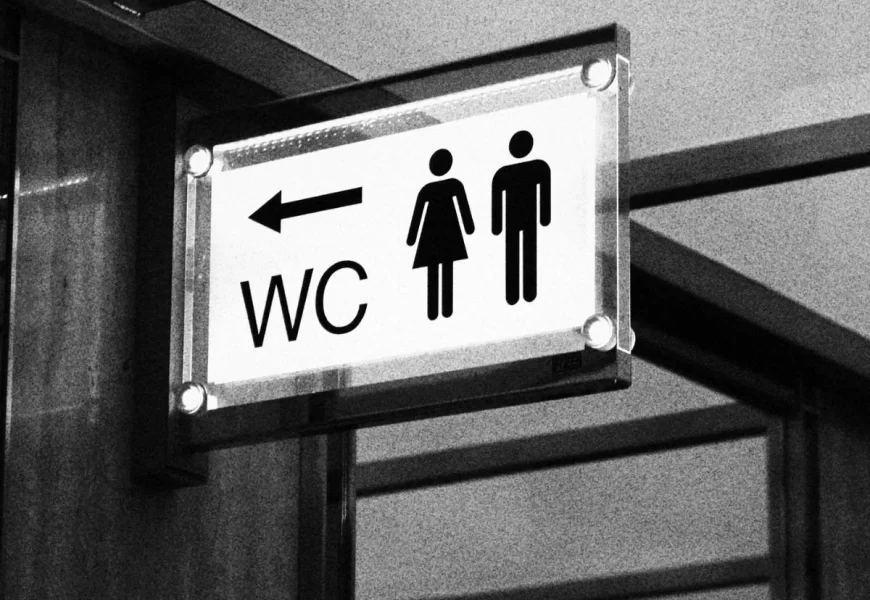
Every day, we pass by signs with the letters “WC” — in airports, train stations, shopping centers, and restaurants — often without giving it a second thought. It’s one of those things we just accept: WC means toilet. But what do those two letters actually stand for?
Surprisingly, many people are only just learning the real meaning behind this common abbreviation. If you’ve ever wondered why it’s “WC” instead of something more obvious like “Toilet” or “Restroom,” this article will give you the full breakdown — and maybe even a fun fact or two to share next time you’re standing in line for the loo!
What Does WC Stand For?
“WC” is short for “Water Closet.”
Yes, that’s right — Water Closet.
It might sound odd or old-fashioned, but this term has an interesting history that dates back to the 19th century, when indoor plumbing was still relatively new. In those days, people were transitioning from outdoor privies and chamber pots to modern, plumbed toilets. The phrase “water closet” was used to describe a small room or compartment that contained a flushing toilet — a major innovation at the time.
Where Did the Term Come From?
The term “Water Closet” originated in Victorian England during the early days of indoor sanitation. Back then, homes and buildings didn’t typically have a separate room for bathing or using the toilet. When indoor plumbing began to catch on, small, often closet-sized rooms were built inside homes to contain the newly invented water-flushing toilet. Hence the name — a “closet” with water.
In those early years, calling it a “toilet” was considered a bit too direct or even impolite. So, more discreet terms like “WC,” “lavatory,” or “restroom” became popular as more socially acceptable ways to refer to the facilities.
Is WC Still Used Today?
Yes — while “WC” might sound outdated, it’s still widely used, especially in Europe, Asia, and parts of the Middle East.
- In Germany, for example, “WC” is commonly used in public restrooms and signs.
- In France, signs may say “WC” or “Les Toilettes.”
- In Italy, you’ll often see “WC” or “Bagno.”
- In India, many public signs still use “WC” alongside the word “Toilet.”
It’s less common in the United States, where terms like “Restroom,” “Bathroom,” or “Ladies/Gents” are more typical. But international travelers quickly learn that WC is a global symbol — no translation needed.
Why Do People Still Use WC Instead of Just Saying ‘Toilet’?
The use of “WC” persists for a few reasons:
1. It’s Universally Recognized
Even if the exact meaning isn’t known by everyone, people all over the world associate “WC” with toilet facilities. It’s become a kind of global shorthand, especially in places with many international visitors like airports and hotels.
2. It’s Discreet
Let’s face it — not everyone feels comfortable with blunt terms like “toilet.” “WC” sounds cleaner, more polite, and neutral — especially in formal settings.
3. It’s Legacy Language
Once a term becomes part of signage and infrastructure, it tends to stick. WC has been used on signs for well over a century — and habits like that are hard to change.
What Are Other Terms for Toilet Around the World?
Depending on where you are, you might hear or see all sorts of creative, regional ways to say “toilet”:
- UK: Loo, Lavatory, WC
- US: Restroom, Bathroom, John
- Canada: Washroom
- Australia/NZ: Dunny, Toilet
- France: Les Toilettes
- Germany: Toilette or WC
- Japan: トイレ (Toire)
- India: Toilet, WC, or Loo
It’s a fascinating look at how cultures approach something so basic yet essential — with each term revealing a little about local etiquette and history.
Fun Facts About Toilet Terms
- “Toilet” originally meant a dressing table
The word “toilet” comes from the French toilette, which referred to the cloth used during grooming. Over time, the word evolved to refer to the act of washing, and eventually to the bathroom itself. - In Victorian times, ‘toilet’ was considered too vulgar
That’s why terms like WC, lavatory, or powder room became the polite alternatives. - In Japan, toilets are high-tech marvels
In many Japanese homes and public places, toilets come with heated seats, bidet functions, and even built-in music or white noise to mask sounds. - There are over 3.6 billion people without access to proper toilets
According to the World Health Organization, billions of people worldwide still lack access to safe sanitation — showing just how important toilet innovation has been, and continues to be.
So, Should You Still Use WC?
Absolutely — especially when traveling. While you may not hear “WC” often in North America, it’s widely recognized in international locations. It’s a helpful symbol to know, and now that you know what it stands for, you’ll never look at that sign the same way again!
Plus, the next time someone asks, “What does WC mean anyway?” — you’ll be the trivia champion in the room.
Final Thoughts
“WC” might just seem like two random letters on a bathroom sign, but behind them is a fascinating story of language, etiquette, and technological progress. From the early days of indoor plumbing to today’s international airport signs, Water Closet has stood the test of time.
So next time you see “WC” on a door, take a moment to appreciate that tiny slice of history — and maybe share the knowledge with someone else. After all, the best facts are the ones hidden in plain sight.