
While excessive alcohol consumption has clear and dangerous consequences, you don’t need to completely abstain to live a long life. An analysis of over 100 studies found no significant differences in longevity between moderate drinkers and those who abstain entirely. However, drinking in excess is certainly detrimental to your health in the long run.

A significant portion of our potential life expectancy is established even before we are born. Some hereditary conditions may become evident during development, while others can remain hidden in recessive genes. Understanding your family history can help you avoid unpleasant surprises later on, as an ounce of prevention is worth a pound of cure. Be sure to discuss health issues with your family to stay informed.

Health and wealth are interconnected in several unfortunate ways. While having money provides access to better healthcare, the advantages go beyond that. Wealth allows you to buy fresh, unprocessed ingredients, live in areas free from industrial pollution, and save for emergencies—all of which contribute to a longer life. Although money may not guarantee happiness, it can certainly facilitate a healthier lifestyle.

It’s becoming increasingly evident that refined and processed foods impact our metabolism through our gut microbiome. While research is ongoing, we already know that excessive calorie consumption is associated with poorer health outcomes. The problem lies not only in the calorie-dense foods themselves but also in the quantity consumed. Typically, these calorie-dense foods are high in fat, sugar, and salt.
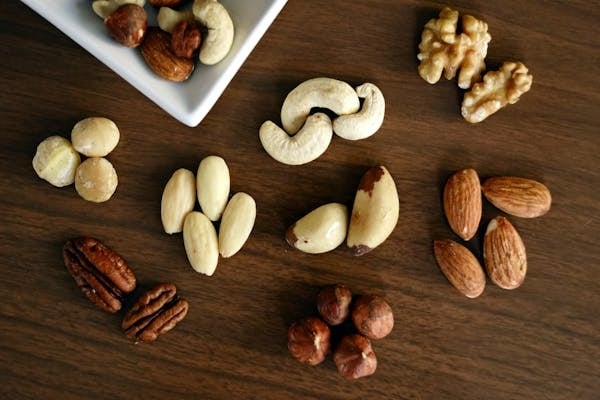
We spent centuries feeding these foods to birds, and now they come with a hefty price tag—well done, everyone! Birds enjoy them for a reason: they are packed with essential nutrients needed for life. These foods provide proteins, fibers, minerals, salts, and sugars, making them a complete dietary package linked to a 39% reduction in the risk of premature death. Additionally, their fiber content can help lower high cholesterol levels.
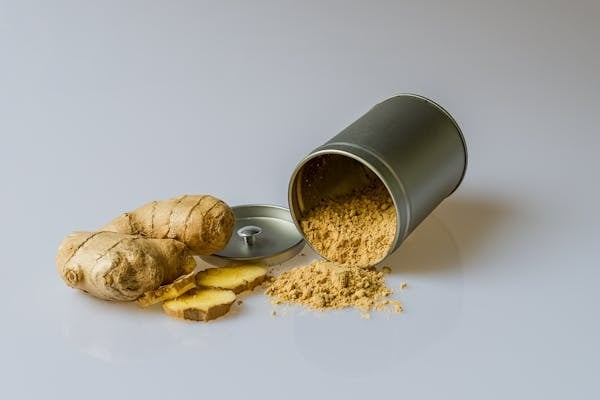
Ginger has been used as a remedy for various ailments since around 3000 BC, although its exact origin is unknown. It doesn’t grow naturally, suggesting it was cross-bred at some point, resulting in over 115 bioactive compounds. Many of these have already been discussed, but ginger presents them all in a delicious, warming form. Additionally, ginger is known for its ability to combat inflammation in the body.

People often criticize yoga, but it has been practiced for thousands of years and can easily be done at home while watching TV. Its popularity endures for a reason. In addition to improving key indicators of longevity like leg strength and walking speed, yoga emphasizes mindfulness and reflection—both crucial for a long and happy life.