
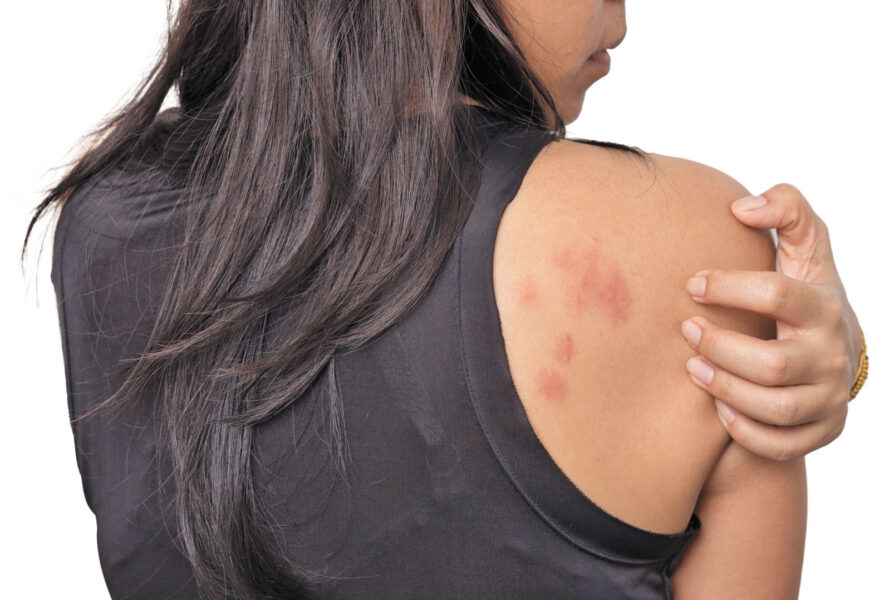
Hives, medically known as urticaria, are itchy red welts that can suddenly appear anywhere on the body. They may last only a few hours or sometimes linger for days. While most people associate hives with food allergies or insect stings, the truth is that many hidden factors can also trigger them. These lesser-known causes may surprise you — and understanding them is key to preventing uncomfortable flare-ups.
Let’s explore the unexpected reasons your skin might be reacting this way.
1. Stress and Anxiety
Emotional stress is one of the most overlooked causes of hives. When you’re stressed, your body releases hormones like cortisol and adrenaline, which can overstimulate the immune system and lead to skin inflammation. People who live under chronic stress may notice recurring hives without any other clear trigger. Incorporating stress-management practices like yoga, journaling, or deep breathing can often help reduce flare-ups.
2. Certain Medications
Many common medications — including antibiotics, aspirin, ibuprofen, and some blood pressure drugs — can trigger hives. In some cases, hives appear quickly after taking the medicine; in others, they may show up after repeated use. Because medication reactions can be serious, it’s important to consult your doctor if you suspect this link instead of stopping treatment on your own.
3. Sudden Temperature Changes
Your skin is sensitive to shifts in temperature. For some people, a hot shower, a dip in cold water, or moving from a warm outdoor environment into strong air conditioning can cause hives. This type of reaction is called physical urticaria, and while it isn’t dangerous, it can be frustrating. Dressing in layers and avoiding extreme temperature changes can help reduce symptoms.
4. Pressure on the Skin
Even simple things like carrying a heavy purse, wearing tight jeans, or resting your arm on a table for too long can put pressure on your skin. In sensitive individuals, this pressure leads to raised welts or hives in the affected area. Known as pressure urticaria, it often disappears within hours but can be uncomfortable. Choosing looser clothing and shifting positions regularly may prevent it.
5. Infections in the Body
Colds, flu, urinary tract infections, or even minor viral illnesses can trigger hives. Your immune system works hard to fight infections, and in some cases, this overreaction shows up on your skin. Children, in particular, are more likely to get hives during infections. These usually clear once the illness resolves, but antihistamines can help in the meantime.
6. Hormonal Fluctuations
Women may notice that hives flare up during certain phases of their menstrual cycle, pregnancy, or menopause. Hormonal changes can alter how the immune system and skin respond to everyday stimuli. Keeping a symptom diary can help identify if hormones are playing a role in your hives, making it easier to manage with medical guidance.
7. Exercise and Sweating
Exercise-induced hives, called cholinergic urticaria, appear when body temperature rises from physical activity or sweating. These hives are usually small, red, and itchy, often spreading across the chest, arms, and neck. Staying hydrated, cooling down quickly, and avoiding overly hot environments while working out can help reduce flare-ups.
8. Food Additives and Preservatives
Not all food-related hives are caused by peanuts or shellfish. Many packaged foods contain additives like sulfites, artificial colors, and preservatives that can cause hives in sensitive people. Processed snacks, soft drinks, and dried fruits are common culprits. Reading food labels carefully and keeping a food diary can make it easier to identify hidden triggers.
9. Sunlight Exposure
For a small group of people, direct sunlight can cause hives within minutes. This rare condition, called solar urticaria, results in itchy welts that appear on exposed skin. Protecting the skin with long sleeves, hats, and high-SPF sunscreen can help manage the reaction.
10. Poor Sleep Habits
A lack of quality sleep weakens the immune system, making the body more sensitive to allergens and stress. People who consistently get too little rest may notice more frequent hives. Prioritizing regular sleep schedules and good sleep hygiene not only helps with skin health but also improves overall well-being.
11. Alcohol Consumption
Alcohol, especially beer and wine, can sometimes trigger hives due to the presence of sulfites, histamines, or yeast. In other cases, alcohol itself dilates blood vessels and increases skin sensitivity, leading to flare-ups. If hives appear after drinking, it may help to cut back or avoid certain types of alcoholic beverages.
12. Environmental Irritants
Household cleaners, detergents, perfumes, and even certain types of fabrics can irritate the skin and trigger hives. People with sensitive skin may react strongly to everyday chemicals without realizing the connection. Using fragrance-free and gentle products can reduce exposure to these irritants.
13. Autoimmune Conditions
In some cases, chronic hives may be linked to autoimmune issues. Conditions like thyroid disorders, lupus, or rheumatoid arthritis can cause the immune system to mistakenly attack healthy cells, leading to skin inflammation. If hives are persistent and unexplained, a medical check-up is important to rule out underlying health issues.
14. Dehydration
When your body doesn’t get enough water, the skin becomes more sensitive and prone to irritation. Dehydration can also increase histamine levels, which may trigger hives in some people. Drinking enough water throughout the day is a simple but powerful way to support skin health.
Final Thoughts
Hives may look simple on the surface, but the causes can be surprisingly complex. Beyond allergies, factors like stress, temperature shifts, infections, poor sleep, and even everyday products can play a role. If hives appear often, keeping a journal of your diet, environment, and lifestyle can help you and your doctor find the root cause. With the right awareness and care, it’s possible to reduce flare-ups and keep your skin healthy.


